The short answer
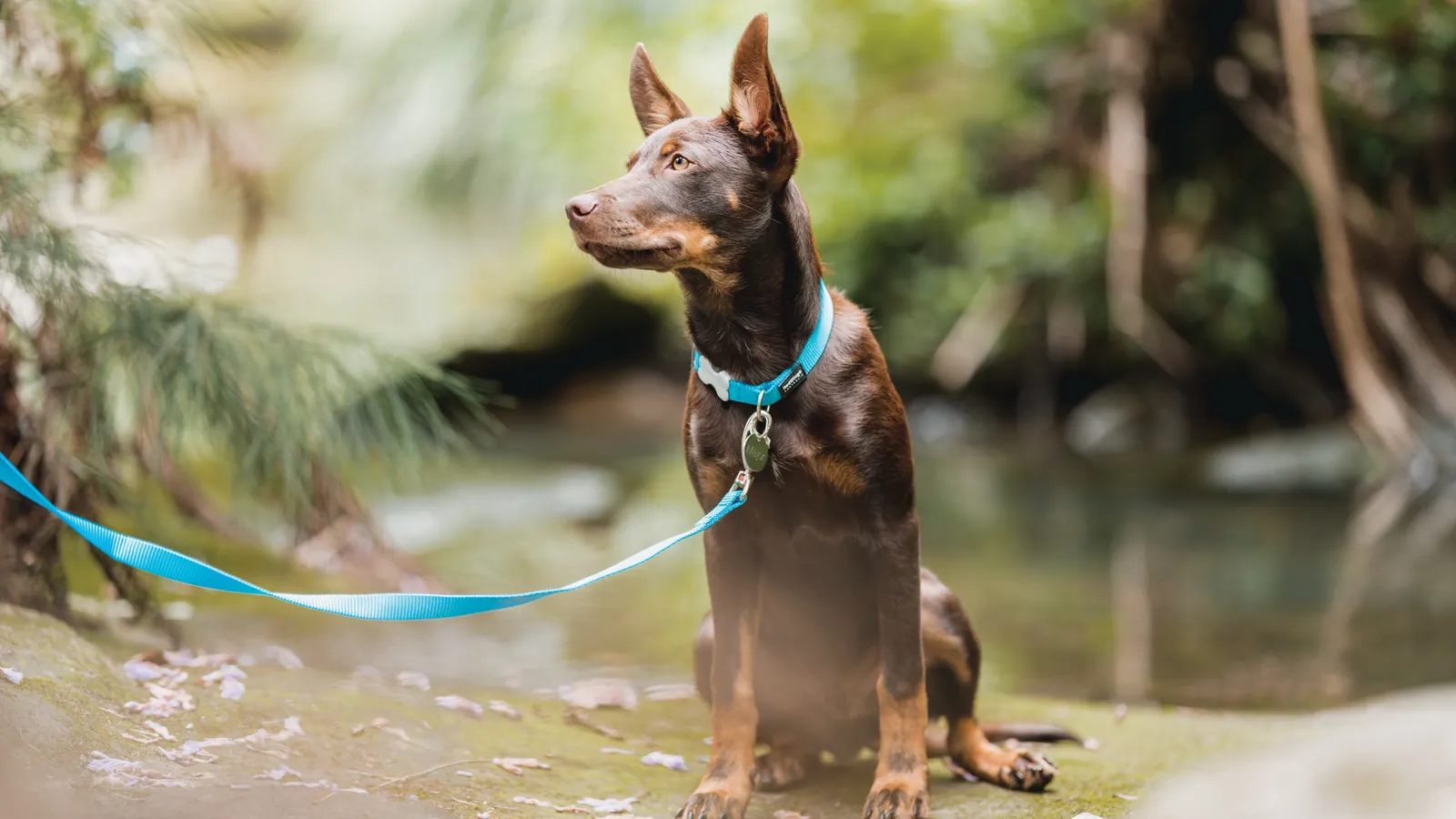
A good pet ID tag does one job brilliantly: it gets your pet home fast. Choosing well really comes down to balancing five things.
- Size — big enough to read at a glance, light enough that your pet forgets it is there.
- Finish — a material that survives daily wear and keeps its engraving legible.
- Engraving — your pet’s name and a phone number you actually answer.
- Comfort and safety — especially for cats, where the collar matters as much as the tag.
- Quality — a genuine, well-made tag you will not be replacing in six months.
The rest of this guide takes each one in turn.
Start with the size
Most people start with their pet’s size, and that is the right instinct. As a rule of thumb, a small tag suits cats and toy or small dogs, medium fits most dogs, and large is for the big and giant breeds. Two forces pull against each other: a larger tag holds a longer name and number that reads from a step back, while a lighter tag sits more comfortably on a slim collar. When you are unsure, size up for legibility on an active dog, and size down for comfort on a small pet or a cat.
| Size | Round diameter | Best for | Typical weight |
|---|---|---|---|
| Small | 20 mm | Cats and toy or small dogs | Up to about 10 kg |
| Medium | 30 mm | Most dogs | About 10–25 kg |
| Large | 38 mm | Big and giant breeds | Over about 25 kg |
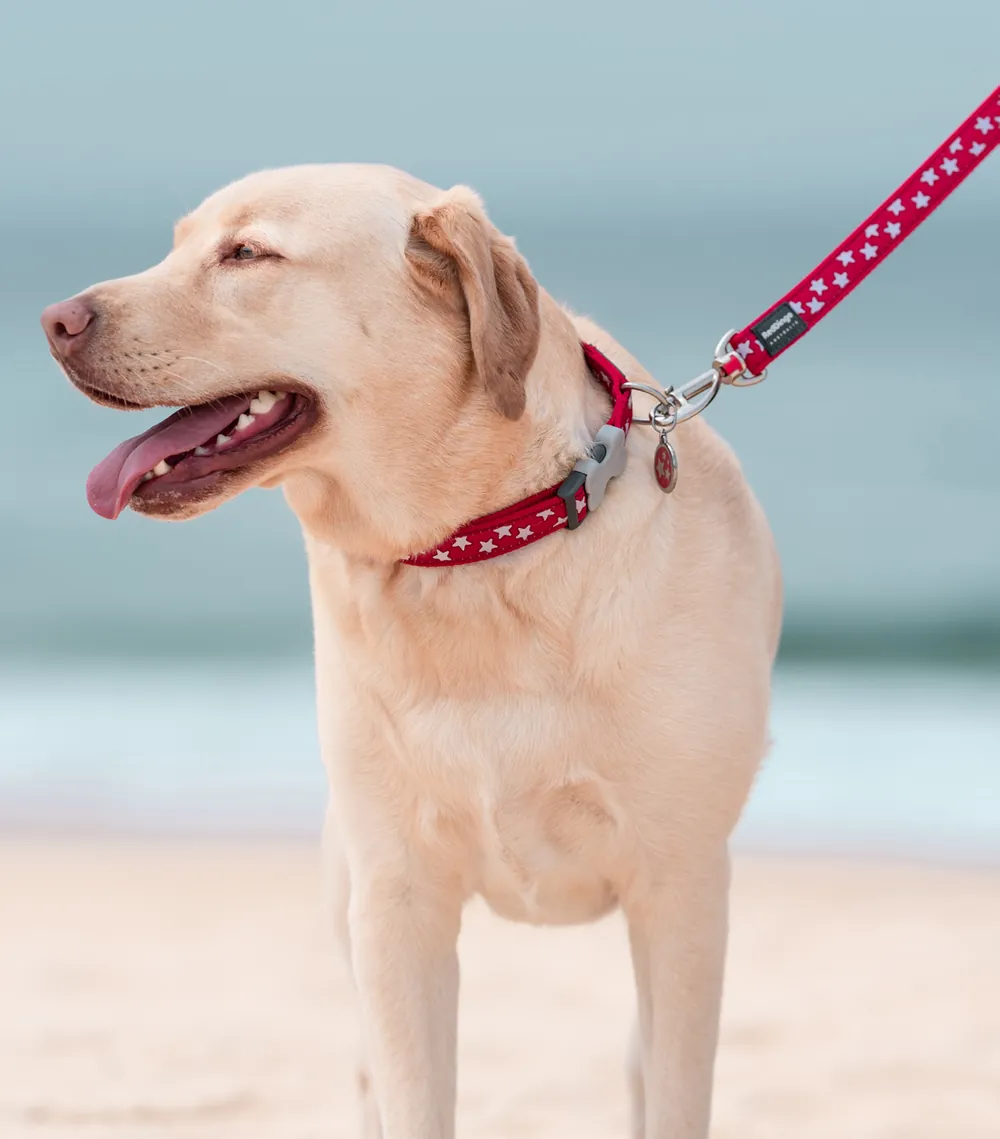
Want the detail? Our size guide has weight bands, example breeds and a dimensions reference, and the exact millimetres for any design appear in the customiser the moment you pick a size.
Choose a finish that lasts
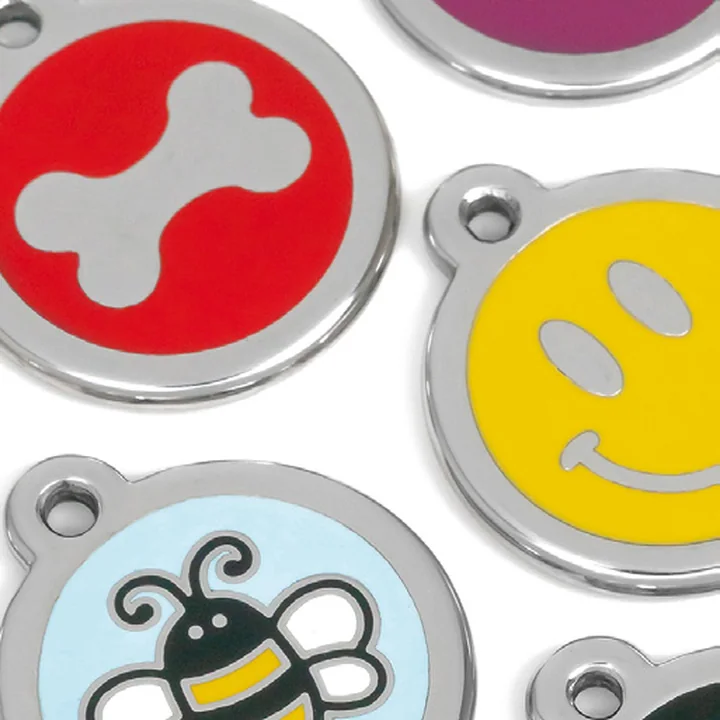
A tag lives a hard life — rain, sand, swims, and a daily clatter against the collar clip. The finish decides whether it still looks good (and still reads) a year from now. The genuine Red Dingo range gives you a few honest options:
- Fired enamel over stainless steel — bright colour that does not fade, on a steel core that shrugs off knocks.
- Stainless steel — tough and understated, with no coating to wear through.
- Solid brass — a warm, classic look that ages gracefully.
- Glitter and crystal — a little decoration, still on a hard-wearing base.
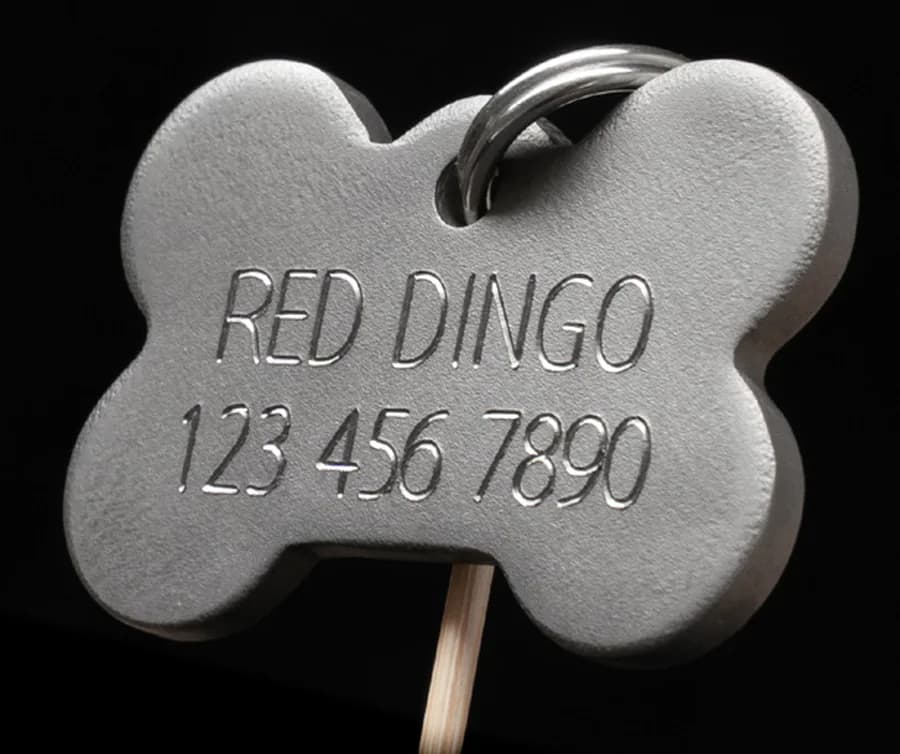
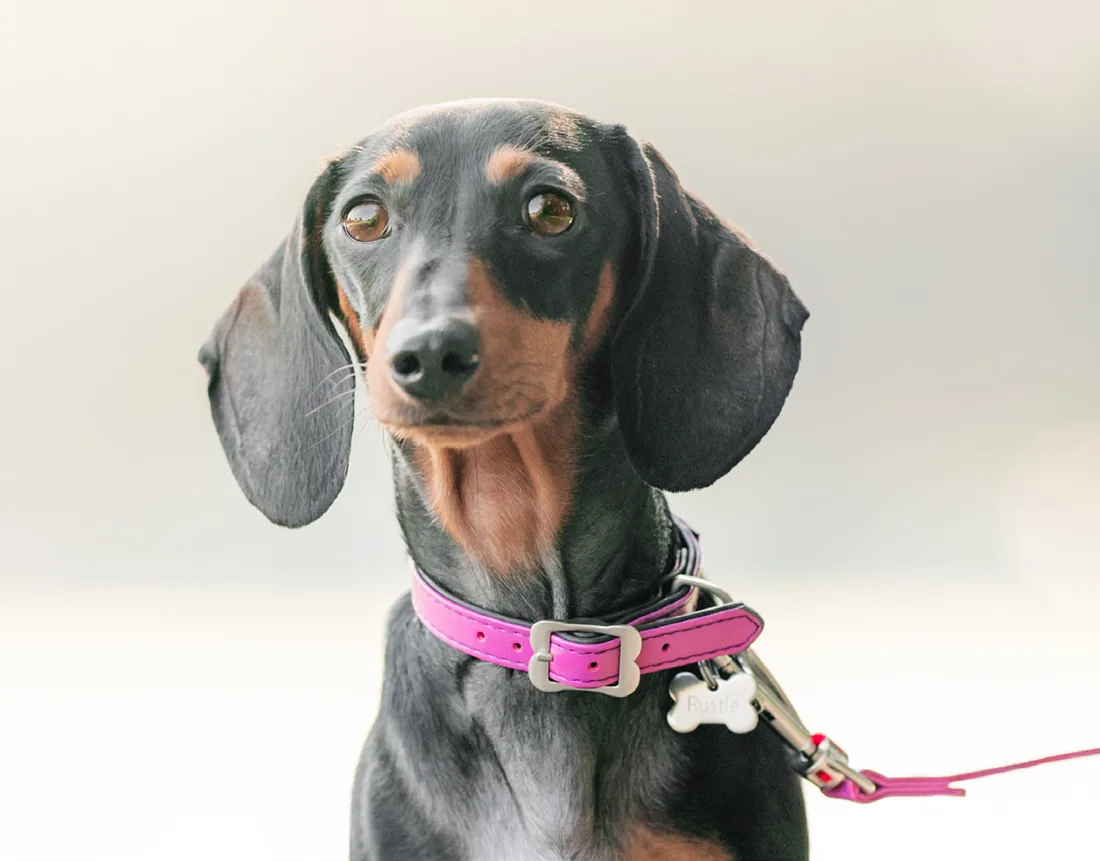
Whatever the finish, the part that matters most is the engraving. Every Red Dingo tag is deep diamond engraved — the text is cut into the metal rather than printed on top, so it stays legible for years instead of rubbing off.
What to engrave
Keep it simple and useful. The job of the text is to get a stranger to phone you, so clarity beats cramming everything on.
Put on
- Your pet’s name.
- A phone number you actually answer (a second number helps).
- Use both faces of a double-sided tag if you want more room.
Leave off
- Your home address — a lost-pet tag is read by strangers.
- Anything that crowds the tag and shrinks the text.
- Details that change often, so the tag stays current.
A tag and a microchip are the best combination. The chip is a permanent backup, but it needs a vet or shelter with a scanner; the tag lets whoever finds your pet call you on the spot, which is usually the fastest way home.
A quick word on cats
Cats suit a small tag for comfort — even larger breeds like the Maine Coon and Ragdoll are happiest in a small one. But the collar matters more than the tag here. A breakaway (quick-release) collar opens under pressure if it snags on a branch or a fence, which is an important safety feature for a climbing, squeezing cat. A light small tag pairs perfectly with that kind of collar.
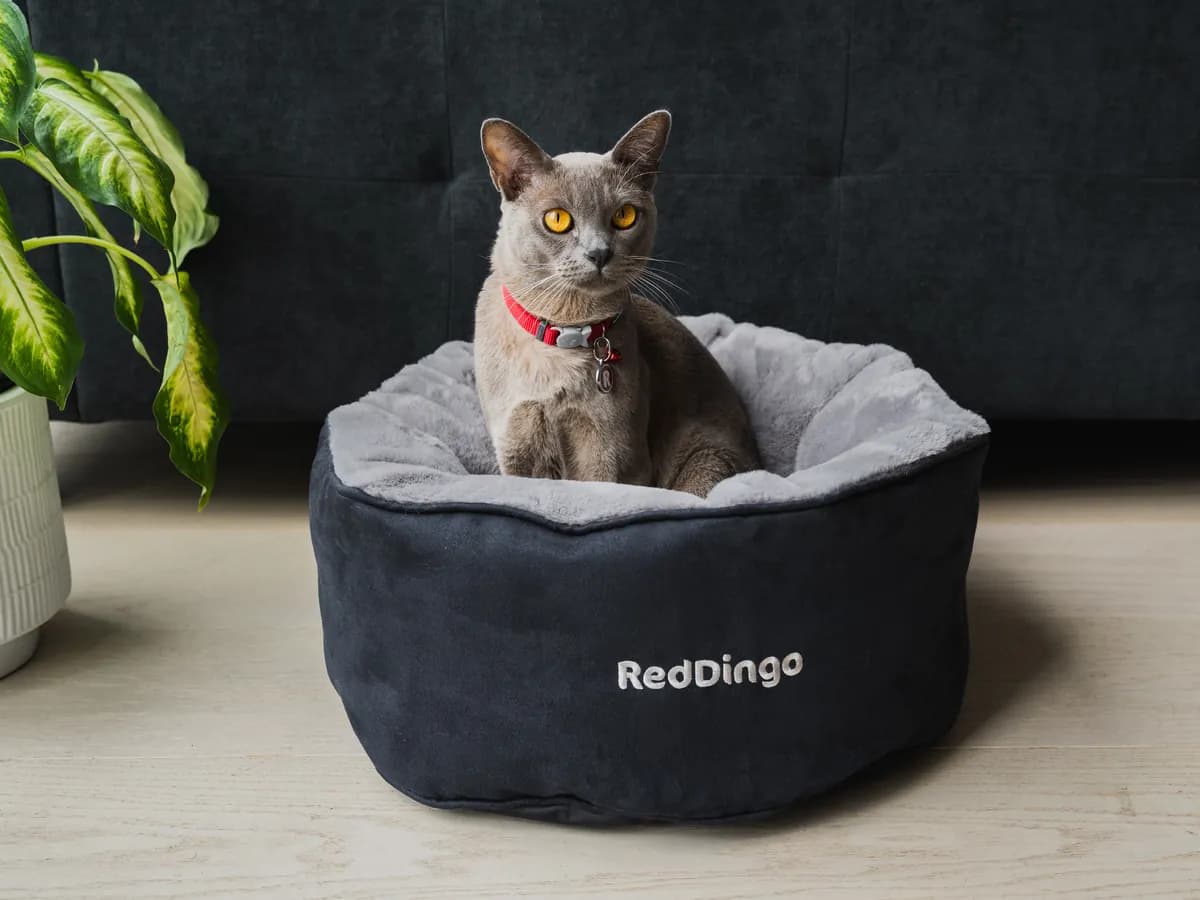
Browsing for a cat? Start with the cat tags selection, or see the dog tags range for everything else.
The little things that matter
We only sell genuine Red Dingo tags, made to last and backed by a lifetime guarantee — and your rights under the Australian Consumer Law are unaffected either way. Engraving is included, delivery is free worldwide, and there is one small touch we love: Red Dingo personalises the delivery envelope with your pet’s name, so the parcel that lands on your doorstep already feels like it belongs to them.
Common questions
- How do I choose the right size pet ID tag?
- Balance legibility against weight. A small tag suits cats and toy or small dogs, medium fits most dogs, and large is best for big and giant breeds. Match the tag to the collar so it sits comfortably, and size up if you want a longer name and phone number to read at a glance.
- What should I put on my pet’s ID tag?
- Your pet’s name and a phone number you actually answer are the essentials. A second number helps, and a double-sided tag gives you a second face for more room. Leave your home address off, since a lost-pet tag is read by strangers, and do not crowd the tag — legible beats complete.
- Which pet tag material lasts the longest?
- Stainless steel and fired enamel over steel are the most durable everyday choices, and solid brass is a classic. What matters most is the engraving: deep diamond engraving cuts the text into the metal rather than printing on top, so it stays readable for years. Every genuine Red Dingo tag is backed by a lifetime guarantee.
- Do cats need a different kind of ID tag?
- A small tag suits virtually every cat — the choice is about comfort, not the cat’s size. More important than the tag is the collar: cats should wear a breakaway (quick-release) collar that opens under pressure if it snags, and a light small tag pairs well with one.
- Is an ID tag still needed if my pet is microchipped?
- Yes — the two work together. A microchip is a permanent backup, but it needs a vet or shelter with a scanner to read. An engraved tag lets whoever finds your pet phone you straight away, which is usually the fastest way home.