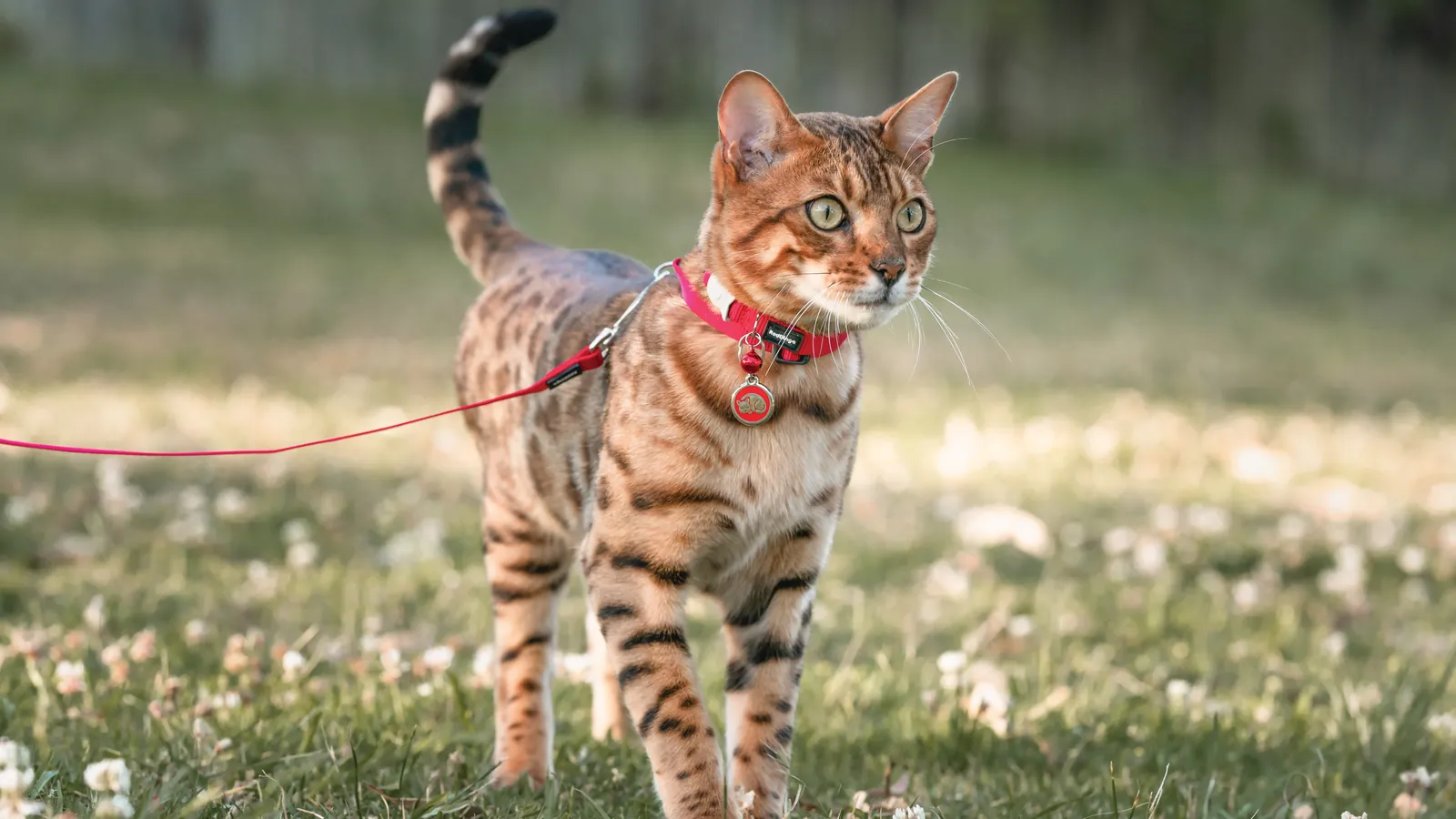
One day they fit in the crook of your arm. Not long after, they are taking up half the bed and all of your heart. Pets grow up faster than any of us are ready for — and the small tag on their collar is there for every bit of it.
They start so small
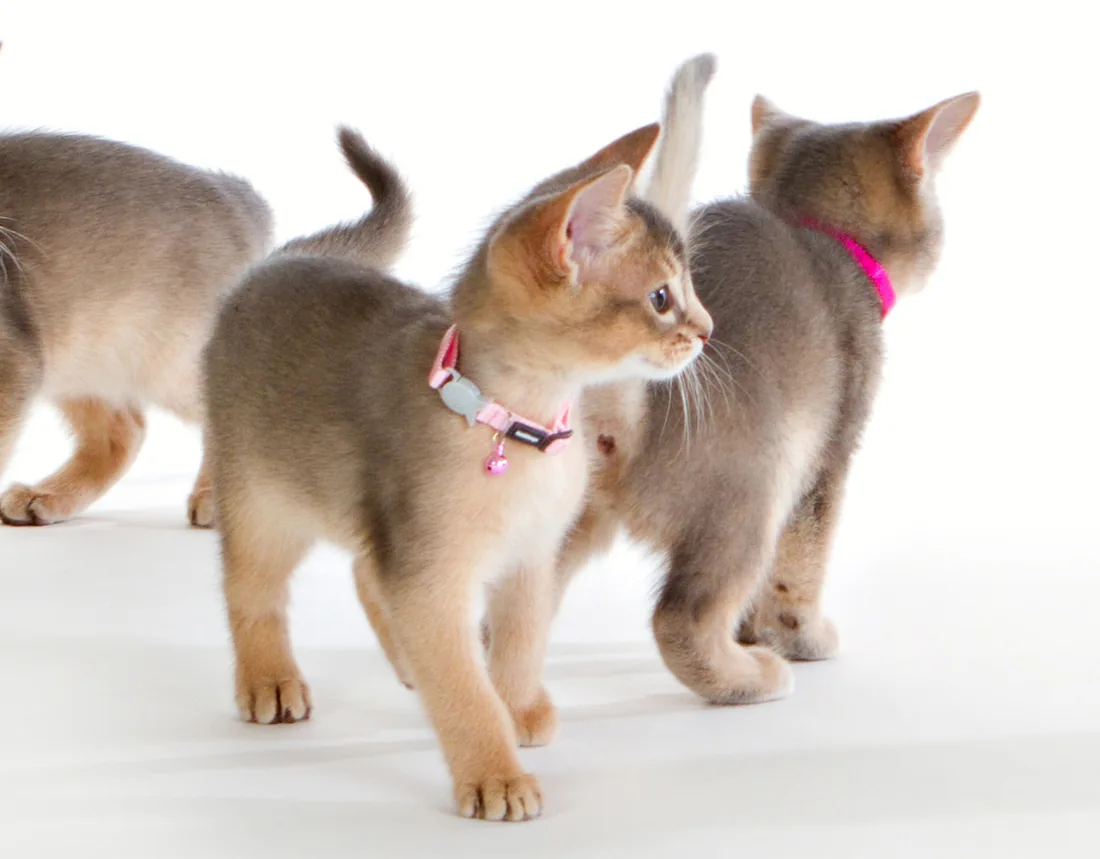
The first collar is barely a loop. A kitten or a young pup is mostly fluff and feet, and the collar you buy on day one will not be the one they wear next month. So keep it simple: a soft, adjustable collar that sits comfortably, and — for kittens especially — a breakaway (quick-release) collar that pops open if it snags. Add a small, light tag with their name and your phone number as soon as the collar fits properly. The microchip from the vet is the permanent backup; the tag is the part a neighbour can read on the spot.
They grow up fast
Then, almost overnight, they are all legs and energy. Puppies in particular outgrow a collar in weeks, not months, so it pays to check the fit often: you should be able to slip two fingers under the collar, no more. Loosen it or size up before it ever feels snug. Through all of that growing, the one thing that does not need to change is the engraving — the name and number you chose on day one still do their job. Re-engrave only if your phone number changes.
All grown up
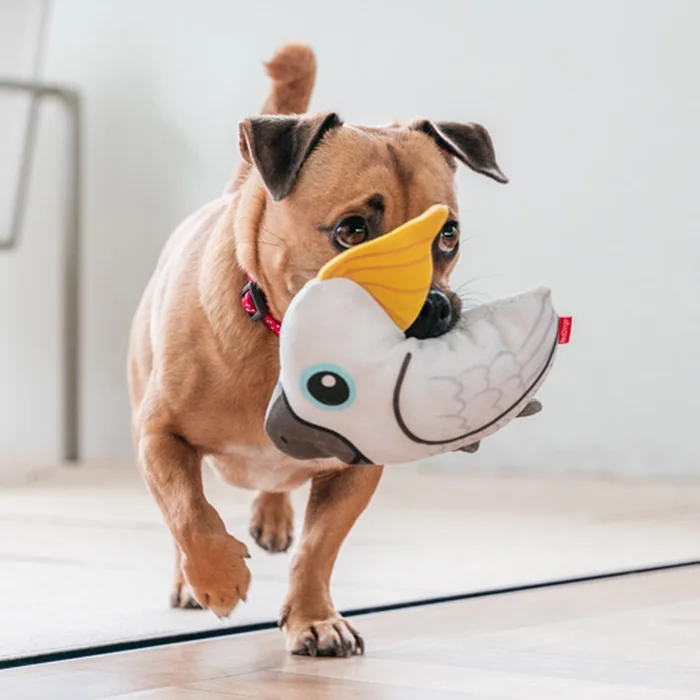
Eventually they settle into themselves — their full size, their proper collar, their forever personality. This is when you land on the adult tag: small (20 mm) for cats and toy dogs, medium (30 mm) for most dogs, large (38 mm) for the big breeds. A round tag sits flat and reads at a glance, and on a confident adult you have room for a longer name and a second number if you like.
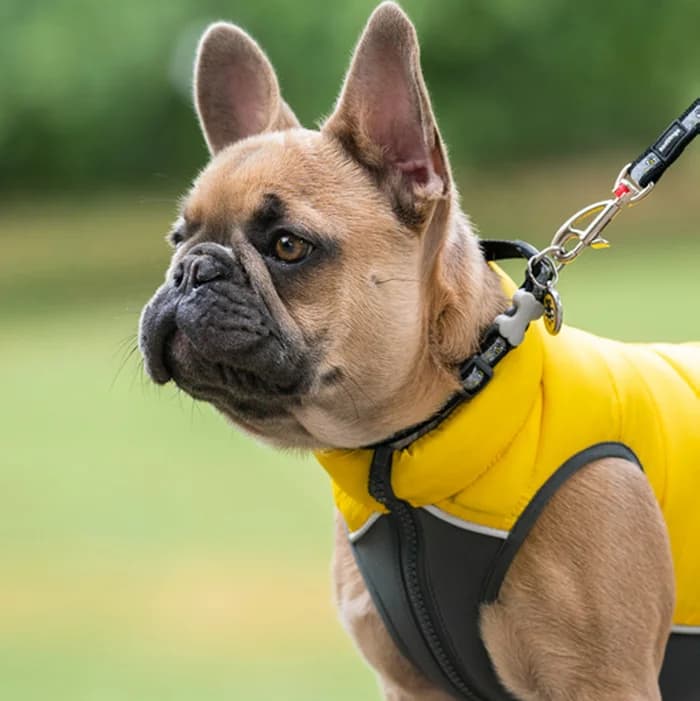
Not sure which size is right? The size guide matches tag sizes to weights and breeds, and you can preview any design at any size in the customiser.
The one thing that stays the same
Here is the quiet truth of it. You will replace the collar more than once — they wear, they fray, they go missing at the beach. Your pet will change almost beyond recognition, from a palmful of fluff into a whole character who knows exactly when dinner is. But the engraved name and your number is the constant. It is there on the first nervous walk and the thousandth lazy afternoon, and it is the thing that brings them home on the one day it matters.
Because every Red Dingo tag is deep diamond engraved — cut into the metal, not printed on top — it stays just as readable years later as the day it arrived. And it arrives in an envelope personalised with your pet’s name, which is a rather lovely way to begin. We back every tag with a lifetime guarantee, and your rights under the Australian Consumer Law are unaffected either way.
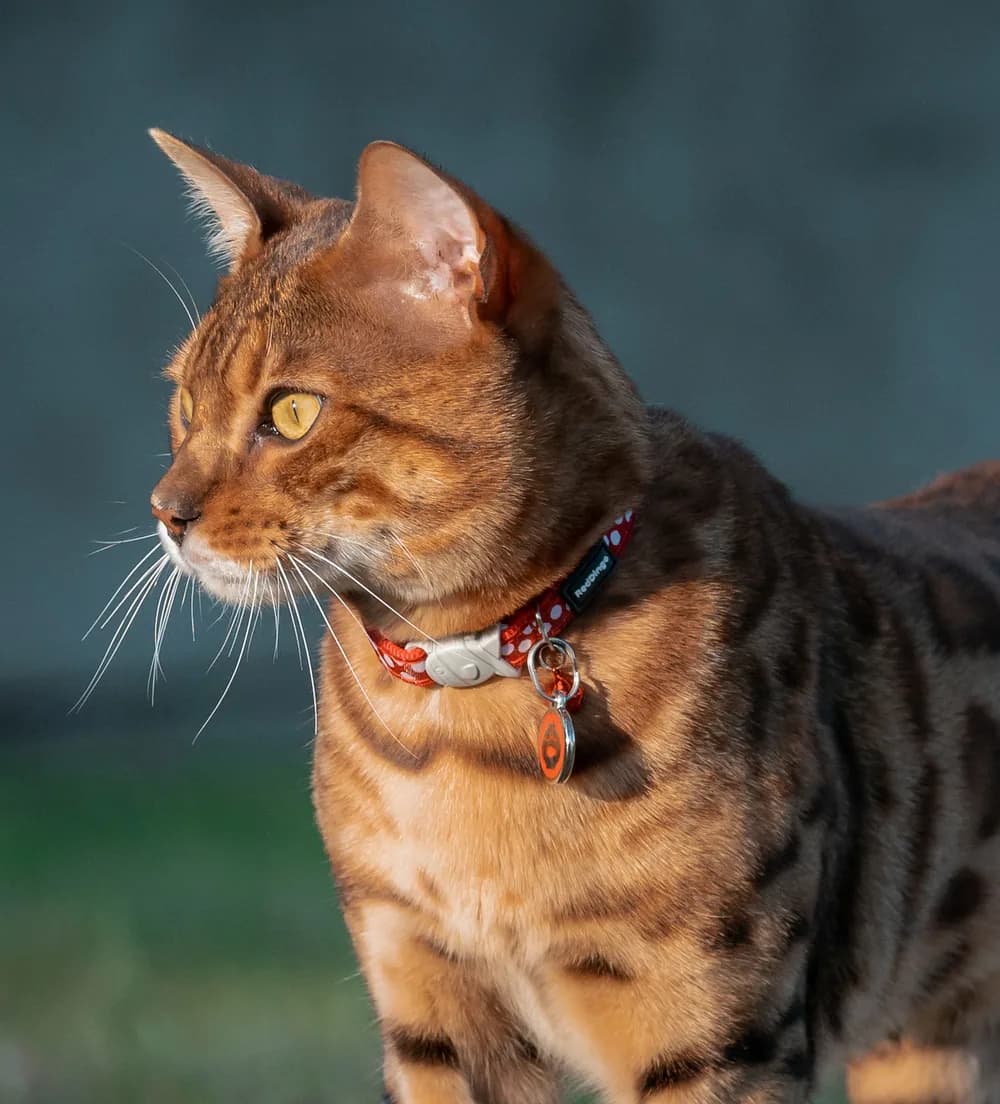
A tag for every stage
| Stage | Collar | Tag |
|---|---|---|
| Kitten or new puppy | Soft and adjustable; breakaway for kittens | Small and light, added once the collar fits |
| Growing | Check the fit every week or two (two fingers) | Same tag; re-engrave only if your number changes |
| Adult | Final size, comfortably fitted | Round 20, 30 or 38 mm to match their size |
| Senior | Comfortable, easy on and off | Keep it readable; update the number if it changes |
Browse by who they have grown into: the dog tags and cat tags ranges, or start from a blank one in the customiser.
Common questions
- When should my puppy or kitten get their first ID tag?
- As soon as a properly fitting collar sits comfortably, which is usually once you bring them home. Put their name and a phone number you answer on a small, light tag. A microchip from the vet is the permanent backup, and the tag is the part a neighbour can read on the spot.
- Do kittens really need a collar and tag?
- Yes, and the collar matters as much as the tag: kittens should wear a breakaway (quick-release) collar that pops open if it snags. Pair it with a small, light tag so a cat who slips outside can still be identified and brought home.
- How often should I check a growing pet’s collar fit?
- Every week or two while they are growing — puppies especially can outgrow a collar in weeks. You should be able to slip two fingers under the collar; if it is tighter than that, loosen it or size up straight away.
- Do I need a new tag every time my pet grows?
- No. The engraving does not change as they grow, so the same tag keeps working — only re-engrave if your phone number changes. Many owners do size the round tag up once to match their pet’s adult size, simply so a longer name and number read at a glance.
- What size ID tag should an adult dog or cat have?
- Small (20 mm) suits cats and toy or small dogs, medium (30 mm) fits most dogs, and large (38 mm) is best for big and giant breeds. Match the tag to the collar so it sits comfortably and stays easy to read.